
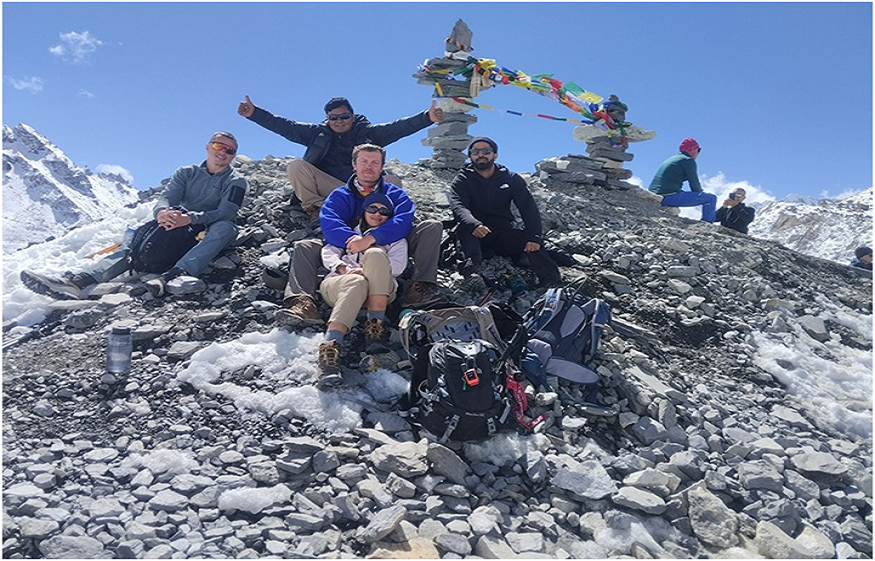
Nepal is one dreamland for mountain lovers. Every year many trekkers and climbers come for a big adventure in the Himalayas. Some people want only a trekking journey, and some people want a real climbing experience with snow peaks and glacier paths. Among many famous adventures, Island Peak Climbing, Lobuche Peak Climbing, Mera Peak Climbing, and the Everest Cho La Pass trek are the most selected journeys by international travelers. These adventures offer high mountain views, Sherpa culture, frozen lakes, glaciers, old monasteries, and unforgettable memories.
These trekking and climbing routes are not only for expert climbers. Many beginners also join after good preparation and training. The Nepal Himalaya gives a different kind of experience where every day looks different. One morning you wake under giant mountains, and the next day you cross an icy pass with strong wind and prayer flags all around.
Island Peak Climbing Adventure in Everest Region
Island Peak is one famous climbing peak in Nepal. The height of this peak is around 6,189 meters, and it is perfect for trekkers who want their first Himalayan climbing experience. The peak is also called Imja Tse by local people. This mountain stands beautifully near the Everest region and gives an amazing panorama of snowy mountains.
Island Peak climbing usually starts after a flight to Lukla Airport. The trekking route passes through famous villages like Namche Bazaar, Tengboche, Dingboche, and Chhukung. During trekking, climbers can enjoy Sherpa hospitality, Buddhist monasteries, and mountain landscapes.
The climbing section needs basic rope skills and use of crampons, a harness, and an ice axe. Many climbers choose Island Peak because it gives a real alpine climbing feeling without very technical difficulty. From the summit, views of Mount Everest, Lhotse, Makalu, and Ama Dablam look breathtaking.
Read More:
The best seaso “Why Travel Feels Different Now And Why That’s a
ns for island peak climbing are spring and autumn. The weather stays more stable, and mountain visibility becomes clear. During the spring season, rhododendron flowers also make trails colorful and attractive.
Accommodation on the trail is mostly tea houses with simple rooms and warm meals. Climbers normally spend a few days acclimatizing because altitude sickness can become a serious problem if the body is not adjusted properly.
Lobuche Peak Climbing for Technical Adventure
Lobuche Peak is another popular climbing destination in the Everest region. The height of this mountain is about 6,119 meters. Lobuche Peak climbing has become more technical than Island Peak, so many climbers choose this peak after some previous climbing experience.
The route follows the classic Everest Base Camp trail. Trekkers walk through beautiful Sherpa villages, suspension bridges, glaciers, and yak pastures. The journey itself already becomes a huge adventure before climbing even starts.
Many climbers combine Lobuche Peak climbing with the Everest Base Camp trek because both routes connect naturally. After reaching base camp and the Kala Patthar viewpoint, climbers continue toward Lobuche High Camp for the summit push.
The climbing section includes steep snow slopes, mixed rock climbing, and fixed ropes. Because of this reason, climbers need better physical fitness and confidence on high-altitude terrain. But after hard effort, the summit reward becomes incredible. Climbers can see giant Himalayan ranges covering all horizons.
One special thing about Lobuche Peak climbing is the close feeling with the Everest mountains. Every direction shows dramatic glaciers and ice walls. Early morning summit climbs under stars and headlamps create an unforgettable atmosphere.
Good acclimatization is always important in the Lobuche adventure. Slow walking, enough water drinking, and proper rest days help climbers stay healthy during expeditions.
Mera Peak Climbing: The Highest Trekking Peak
Mera Peak is the highest trekking peak in Nepal with an altitude of around 6,476 meters. Mera Peak Climbing has become very famous among adventure seekers who dream about climbing one Himalayan summit.
Even though Mera Peak is the highest trekking peak, the technical difficulty is not very extreme. The main challenge is long trekking days and high altitude. Climbers need strong stamina and mental endurance for this journey.
The trekking route to Mera Peak goes through remote valleys and less crowded trails. Compared with the Everest Base Camp trail, this area feels more peaceful and wild. Forests full of rhododendron, bamboo, and pine trees cover lower regions, while upper areas become snowy and icy.
Read More: Navigating the Tides: How to Choose the Best Beach
Mera Peak summit day usually starts very early before sunrise. Climbers walk slowly with headlamps across glacier terrain. When the sun comes over the Himalayas, the mountains become golden, and the scenery looks magical.
One of the biggest attractions of Mera Peak climbing is the panoramic summit view. From the top, climbers can see five mountains above 8,000 meters, including Everest, Lhotse, Makalu, Cho Oyu, and Kanchenjunga. Very few trekking peaks in the world can offer such a massive mountain panorama.
Training before an expedition becomes important because long days at high altitude can exhaust the body quickly. Cardio exercise, hiking practice, and strength training help climbers prepare better.
Mera Peak Climbing is also suitable for photographers because landscapes are constantly changing. Frozen rivers, hanging glaciers, remote villages, and giant snowy peaks create endless photography opportunities.
Everest Cho La Pass Trek for Complete Himalayan Experience
Cho La Pass is one of the most exciting high mountain passes in the Everest region. The Everest Cho La Pass Trek combines the Everest Base Camp journey with the Gokyo Lakes route. This trek becomes perfect for travelers who want more adventure than the normal Everest Base Camp trek.
The pass stands at an altitude around 5,420 meters, and crossing it becomes a challenging but rewarding experience. Trekkers walk over rocky trails, glacier paths, and snowy sections while surrounded by giant Himalayan peaks.
The Everest Cho La Pass Trek usually begins from Lukla and continues through Namche Bazaar, Tengboche, Dingboche, and Everest Base Camp. After visiting base camp and Kala Patthar, trekkers cross Cho La Pass toward the beautiful Gokyo Lakes region.
The Gokyo Valley became one highlight of this trek. Blue glacial lakes surrounded by white mountains create peaceful and magical scenery. Many trekkers say the Gokyo area looks even more beautiful than the Everest Base Camp trail.
Crossing Cho La Pass can become difficult during snow season. Some parts remain icy and slippery, so proper trekking boots and careful walking become necessary. But after reaching the top of the pass, all hard effort feels worth it.
This trek also gives a chance to experience different Sherpa villages and mountain lifestyles. Tea houses along the route provide warm food and a cozy environment for trekkers after long walking days.
The Everest Cho La Pass Trek has become an ideal choice for adventure lovers who want a combination of Everest Base Camp, high pass crossings, glaciers, lakes, and panoramic viewpoints in one single journey.
Best Time for Peak Climbing and Trekking in Nepal
The spring season from March to May is one of the best times for climbing and trekking in Nepal. The weather is mostly stable, and mountain views remain clear. Flowers bloom in lower hills, and the temperature becomes more comfortable.
The autumn season from September to November is also highly recommended. Skies become blue, and visibility is excellent after monsoon rain. Trails become busy during autumn because many trekkers and climbers visit Nepal in this season.
The winter season brings heavy snow in high passes and climbing routes. Some experienced trekkers still choose winter for quieter trails, but conditions become colder and more difficult.
Monsoon season from June to August is not very suitable for mountain adventures because rain, clouds, and landslides affect many routes.
Physical Preparation for Himalayan Adventure
Good preparation is always important before joining Island Peak Climbing, Lobuche Peak Climbing, Mera Peak Climbing, or the Everest Cho La Pass Trek. High-altitude trekking and climbing need strong fitness and a healthy body.
Long hiking practice helps legs become stronger. Cardio exercises like running, cycling, and swimming improve breathing and stamina. Climbers also should train with a backpack because trekking days can become long and tiring.
Mental preparation is also very important. Weather changes fast in the Himalayas, and some days become physically hard. Positive mindset and patience help travelers continue their journey safely.
Travel insurance has become necessary for high-altitude rescue situations. Helicopter evacuation in the Himalayas can become very expensive without insurance coverage.
Sherpa Culture and Himalayan Hospitality
One beautiful part of Nepal’s adventure is Sherpa culture. Sherpa people are famous for mountaineering skills, kindness, and warm hospitality. Villages in the Everest region show colorful prayer flags, Buddhist stupas, monasteries, and stone walls with Tibetan prayers.
Trekkers can visit monasteries where monks pray peacefully among mountains. Traditional foods like dal bhat, Sherpa stew, momos, and Tibetan bread give energy during trekking.
Local tea houses provide simple yet memorable experiences. Sitting near a warm dining room fire while snow falls outside becomes a special memory for many travelers.
Why These Adventures Become So Popular
Island Peak Climbing, Lobuche Peak Climbing, Mera Peak Climbing, and the Everest Cho La Pass Trek all offer different experiences but the same Himalayan magic. Some people search for technical climbing challenges, while others search for scenic trekking routes. Nepal provides both in one destination.
These adventures give a feeling of achievement, connection with nature, and escape from busy modern life. Every trail leads through glaciers, mountains, rivers, forests, and remote villages where life moves slowly and peacefully.
For many travelers, standing on a high Himalayan summit or crossing Cho La Pass becomes a life-changing experience. Thin mountain air, silent snowy landscapes, and giant peaks create emotions difficult to explain with words.
Conclusion
Nepal remains one of the world’s greatest adventure destinations for trekking and climbing lovers. Island Peak, Lobuche Peak, Mera Peak, and Cho La Pass continue attracting travelers from all countries every year.
Each adventure brings different challenges, different scenery, and different memories. Some routes give peaceful remote valleys, while others provide technical climbing and glacier crossings. But all journeys share one thing together: the unforgettable beauty of the Himalayas.
Travelers who prepare properly, walk slowly, and respect the mountain environment can enjoy one incredible lifetime experience in Nepal. The mountains not only test physical strength, but they also give peace, confidence, and inspiration that stay forever in the heart.
Contact Details
Everest Trekking Routes Pvt. Ltd.
16 Khumbu, Nayabazaar, Kathmandu, Nepal
Mobile: +977-9843467921 (Rabin)
Email: info@everesttrekkingroutes.com
URL:– www.everesttrekkingroutes.com